
What to Expect From Hair Restoration in Troy, MI
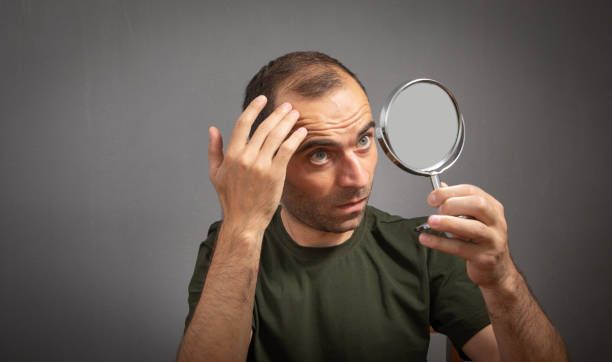
Deciding to pursue hair restoration in Troy, MI, is a significant step toward regaining not just your hairline but also your confidence. Understanding what the journey entails can ease anxiety and set realistic expectations. Whether you are noticing early thinning or more advanced hair loss, modern medical advancements have made effective treatment more accessible than ever. This guide walks you through every phase of the process, from your first phone call to enjoying long-term results.
Step-By-Step Guide for Hair Restoration in Troy, MI
Step 1: Initial Consultation and Scalp Evaluation
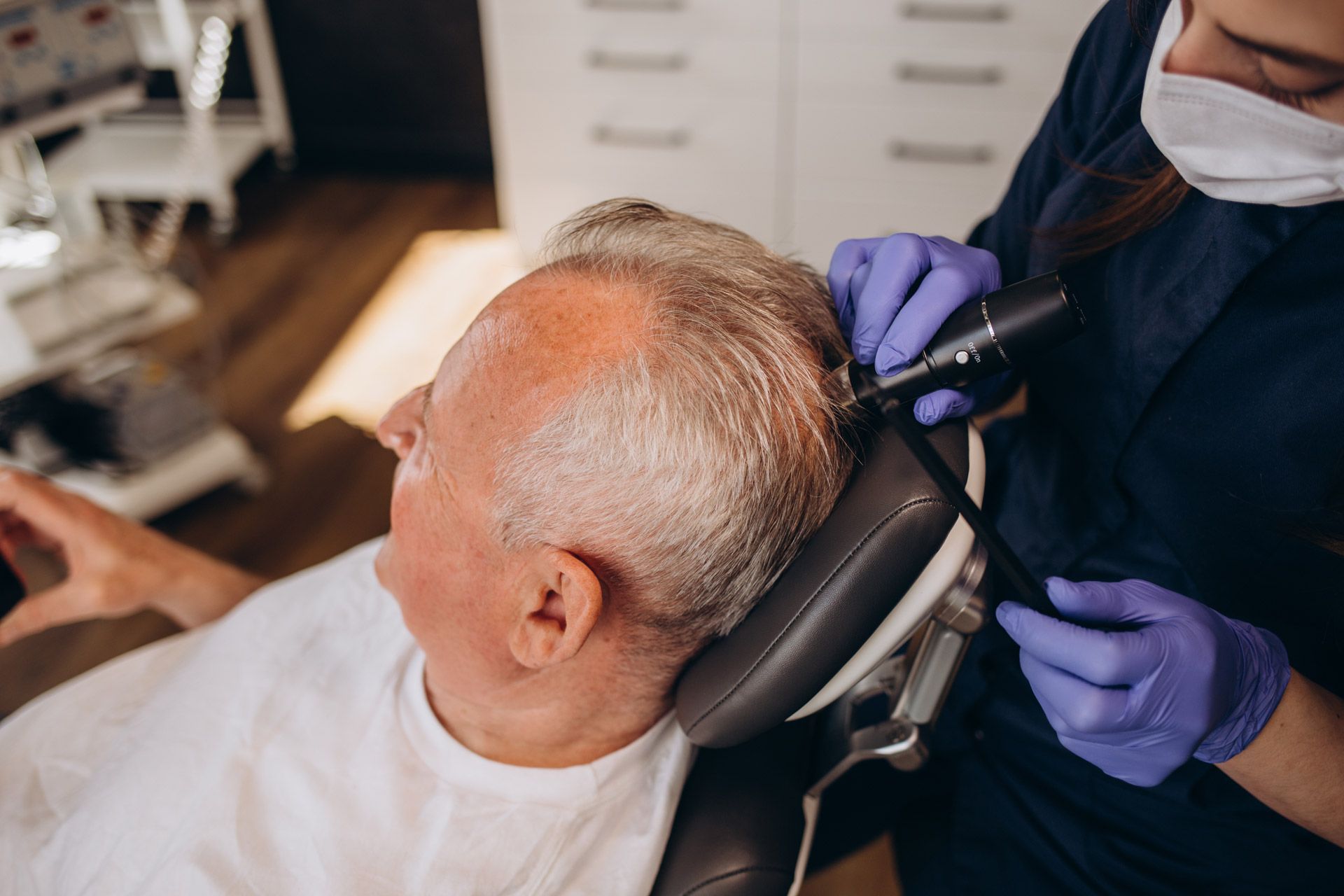
The foundation of successful hair regrowth begins with a thorough, one-on-one consultation. At Drs. Berry, Luther & Aronovitz, your journey starts with a detailed scalp evaluation. During this visit, a specialist will review your medical history, discuss your hair loss concerns, and examine your scalp using advanced diagnostic tools. This is not a one-size-fits-all appointment. Instead, the team takes time to understand your unique pattern of hair loss, your lifestyle, and your ultimate goals. You will also have the opportunity to ask questions about costs, downtime, and expected outcomes. This initial meeting is critical because it determines whether you are a candidate for surgical or non-surgical procedures. Hair rebuilding is most effective when tailored to the individual, and no reputable provider will recommend a method without this comprehensive first step.
Step 2: Diagnosis of Hair Loss Type
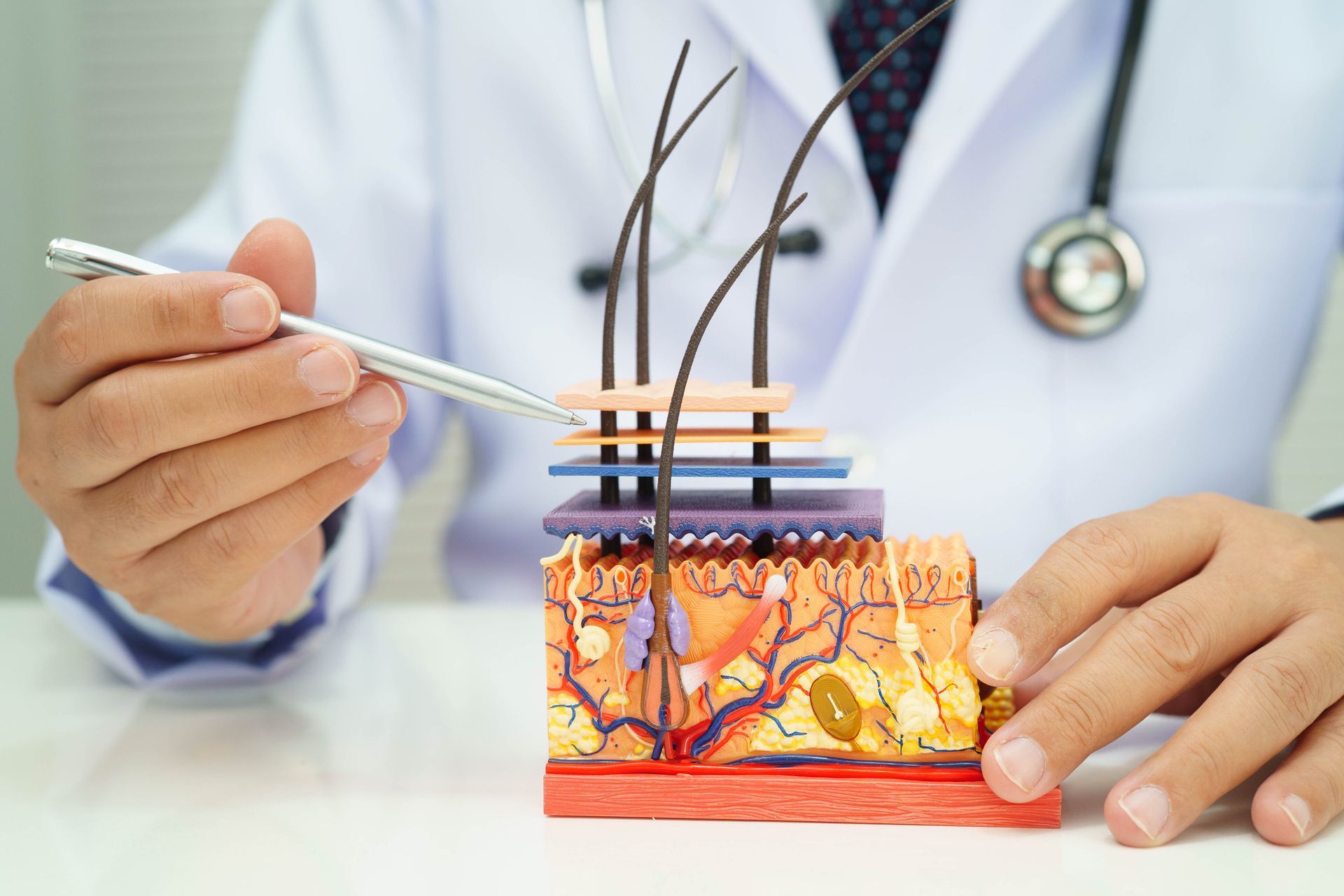
Not all hair loss is the same. Androgenetic alopecia (male or female pattern baldness), telogen effluvium (stress-related shedding), alopecia areata (autoimmune), and scarring alopecias each require different approaches. During your consultation, the provider will diagnose the specific type of hair loss affecting you. This may involve a pull test, a scalp biopsy, or trichoscopy (a magnified view of the hair shaft and follicle). For those seeking effective hair rebuilding, an accurate diagnosis is non-negotiable. Why? Because treating the wrong condition wastes time and money. For example, a person with active alopecia areata may need immunotherapy rather than a transplant. In Troy, MI, the team at Drs. Berry, Luther & Aronovitz specializes in distinguishing between these conditions, ensuring that your treatment plan addresses the root cause, not just the symptom.
Step 3: Recommended Treatment Plan
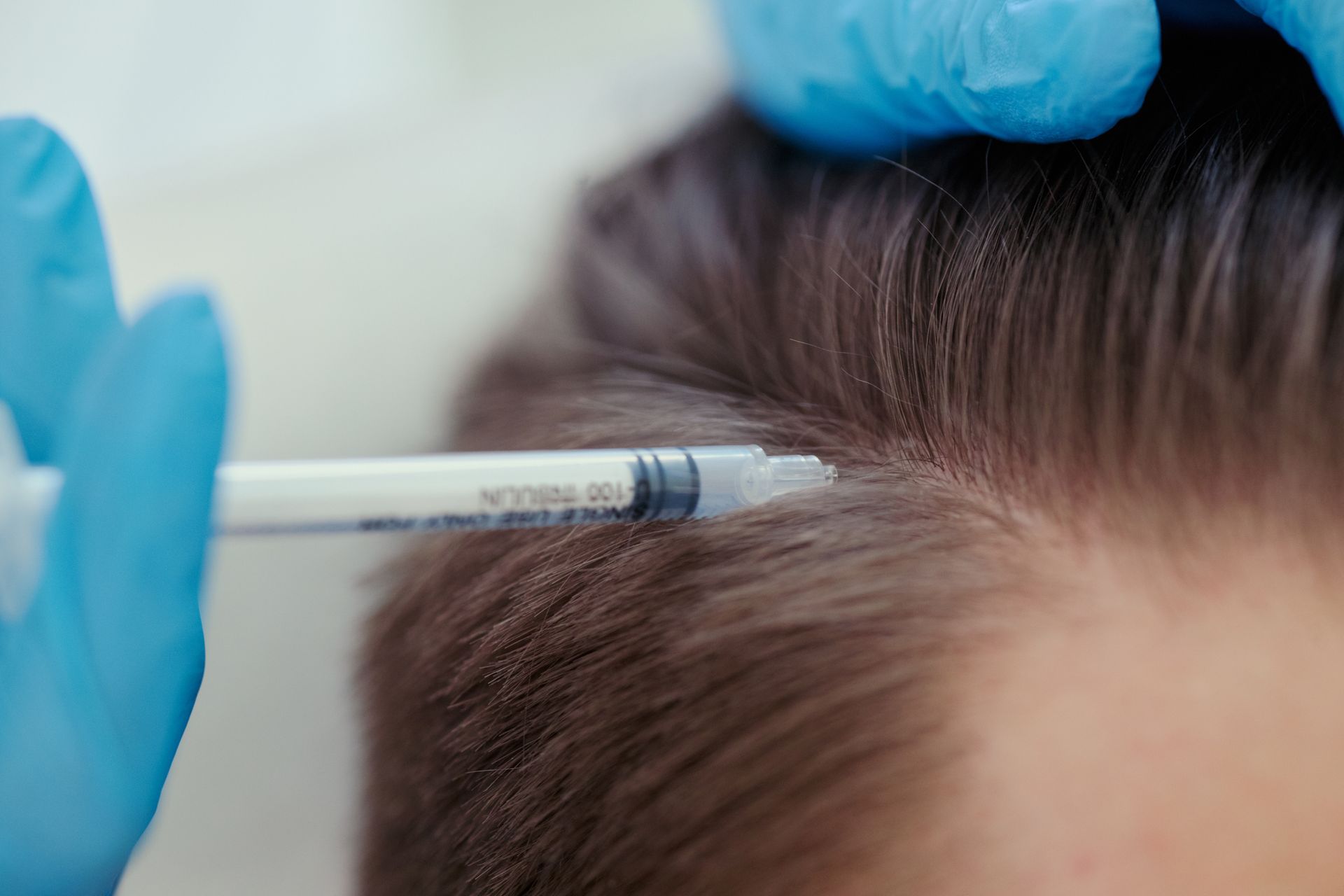
Once your hair loss type is identified, your provider will present a customized treatment plan. Surgical and non-surgical hair treatments are not limited to surgery. Depending on your diagnosis, your plan may include topical medications like minoxidil, oral medications such as finasteride, low-level laser therapy, platelet-rich plasma (PRP) injections, or follicular unit extraction (FUE). The doctors might also recommend a combination approach. For instance, PRP can stimulate dormant follicles, while medication prevents further loss. For those requiring transplant surgery, the plan will detail how many grafts are needed and where they will be placed. At this stage, transparency is key. You should receive a clear breakdown of costs, the number of sessions required, and realistic before-and-after photos. Remember, hair restoration is a marathon, not a sprint. A trustworthy provider will never promise a full head of hair overnight but will give you an honest roadmap.
Step 4: Procedure Details (Depending on Method)
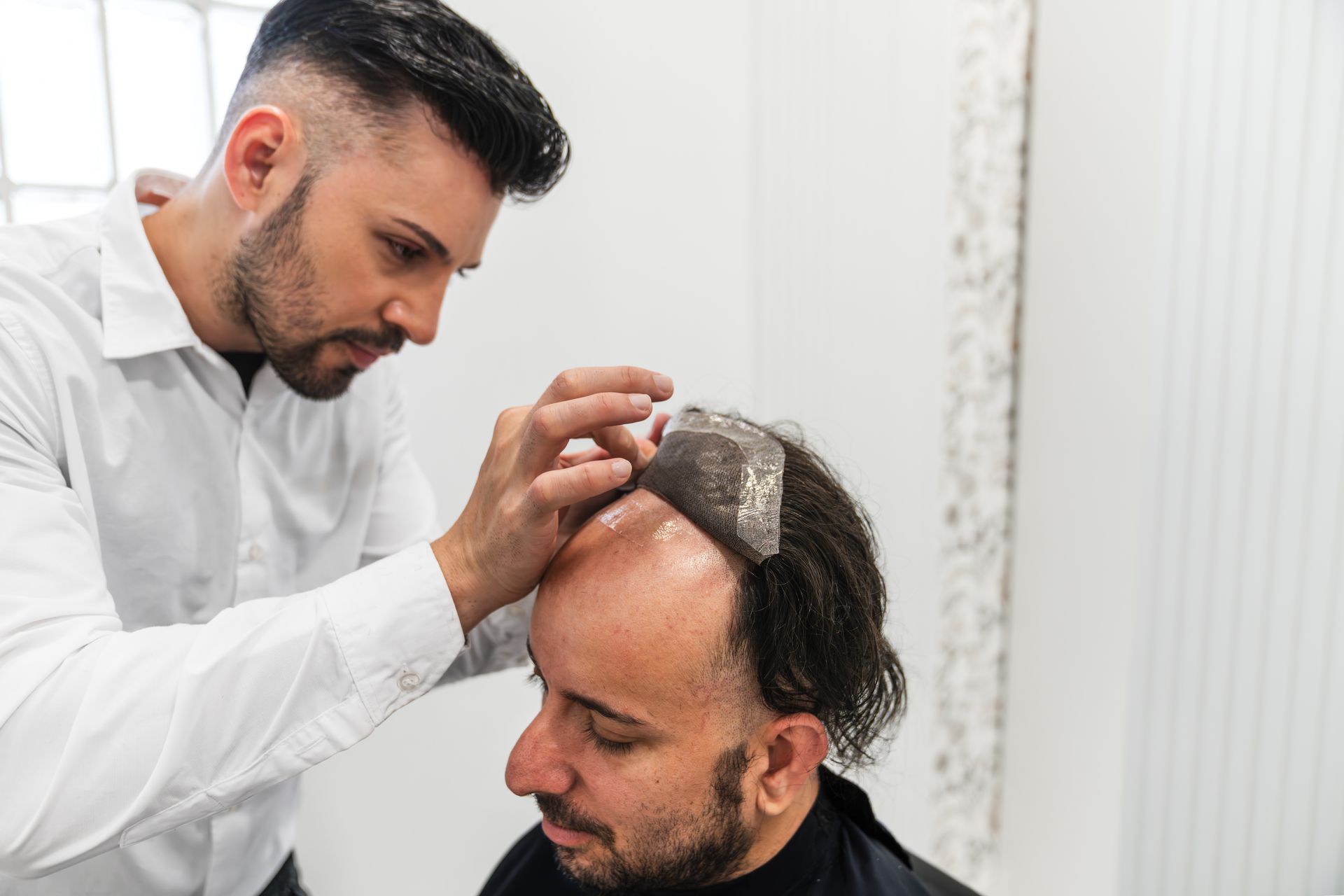
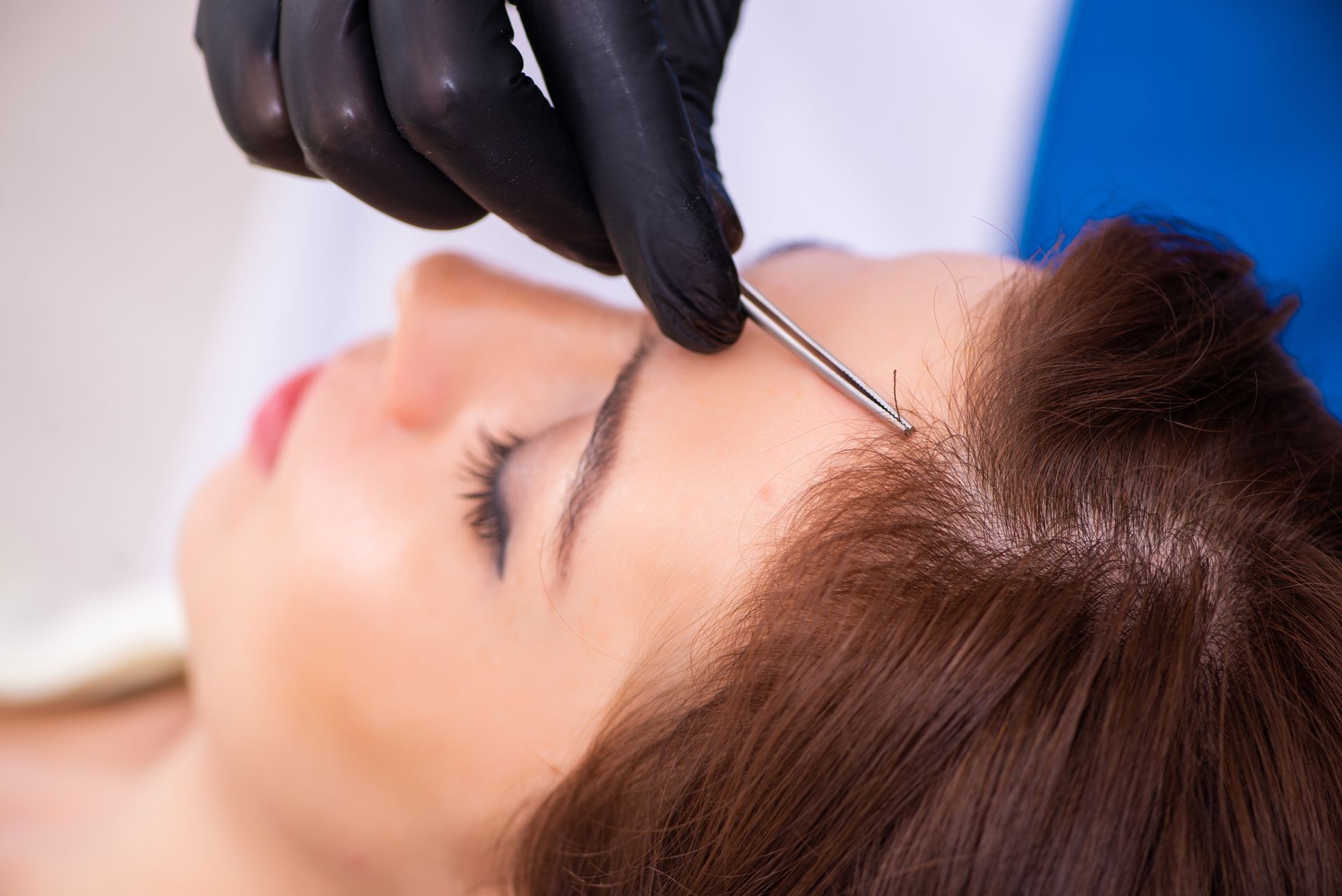
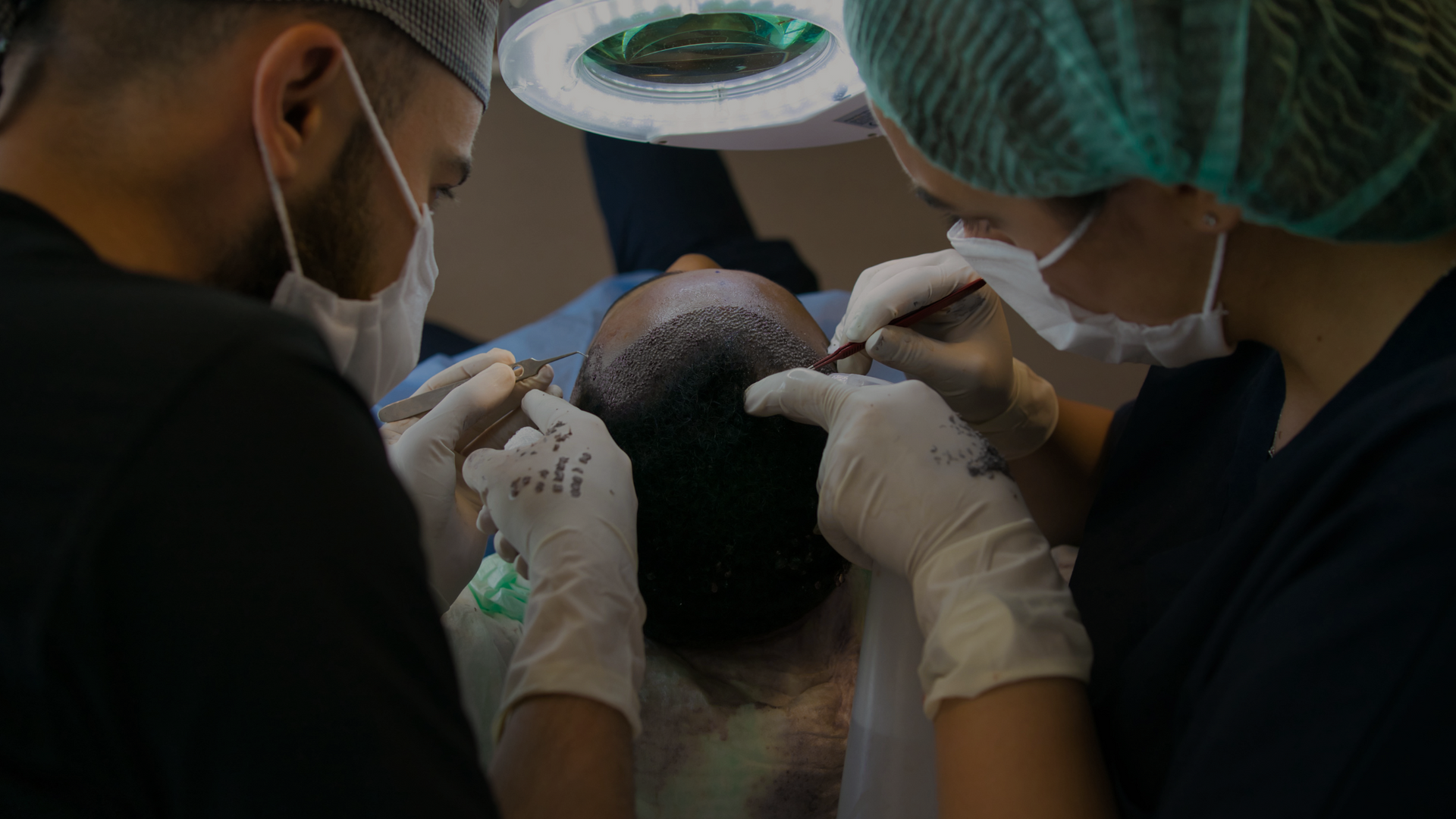
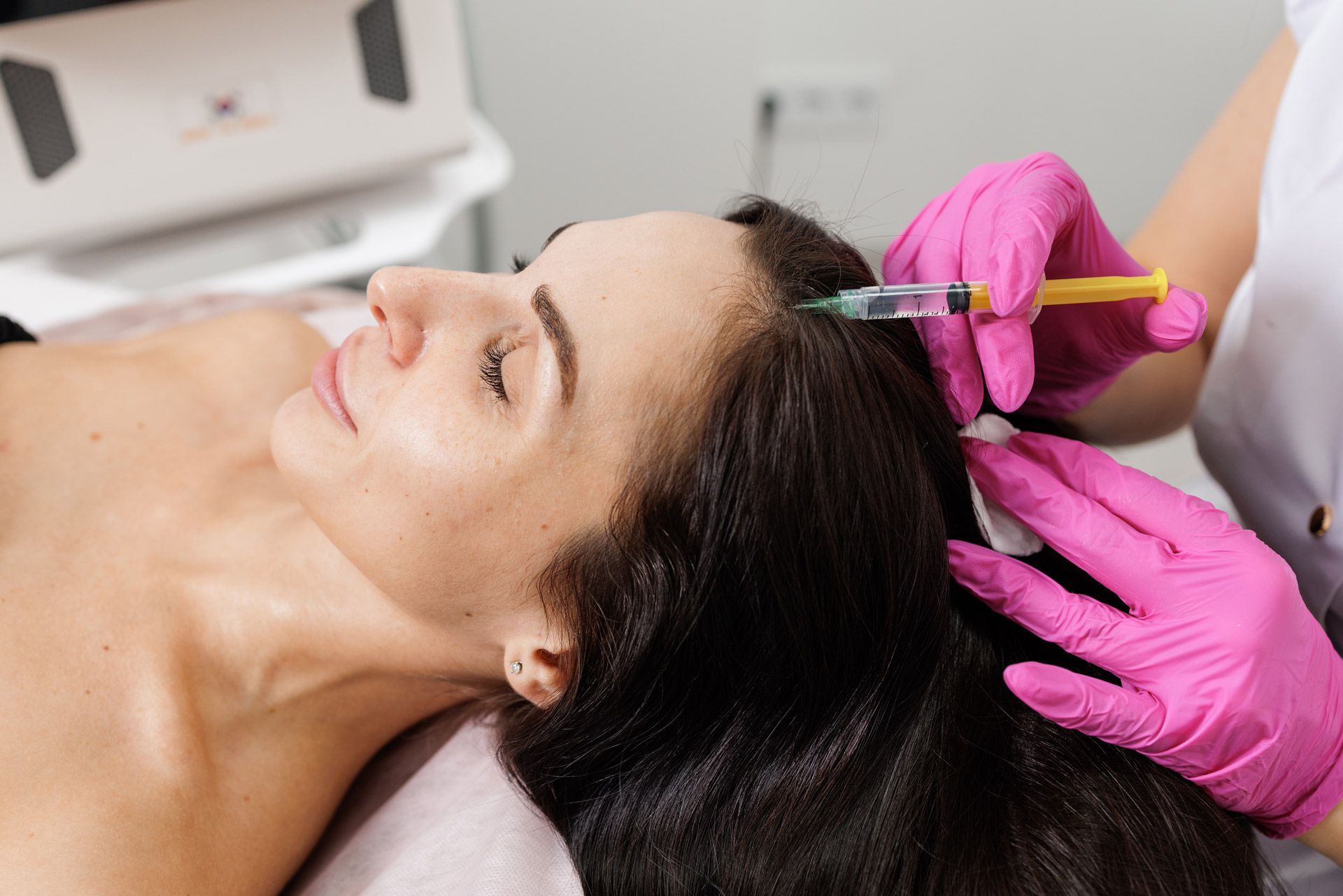
If you proceed with a surgical hair rebuilding procedure like FUE, here is what to expect. On the day of the treatment, the back or sides of your scalp (the donor area) will be numbed with local anesthesia. The surgeon then extracts individual follicular units one by one using a micro-punch tool. These grafts are carefully placed into tiny recipient incisions in thinning or balding areas. The entire process takes four to eight hours, depending on the number of grafts. You can listen to music or watch a movie during the procedure. Non-surgical options like PRP involve drawing your blood, spinning it in a centrifuge to concentrate platelets, and injecting the plasma into your scalp. This takes about 60 minutes. No matter the method, you will leave the office with full aftercare instructions. For follicular rehabilitation, choosing an experienced provider directly affects the naturalness of your results. Poorly placed grafts can look artificial, while expert artistry mimics your original growth pattern.
Step 5: Recovery and Aftercare
After your hair rebuilding procedure, recovery is typically straightforward but requires diligence. For FUE, tiny scabs form around each graft and fall off within 7 to 10 days. Swelling and redness usually subside within a week. You will need to sleep with your head elevated, avoid direct sun exposure, and skip strenuous exercise for at least two weeks. Non-surgical treatments like PRP have almost no downtime; you can return to work the same day. Your provider will give you specific shampooing instructions and may prescribe a topical antibiotic to prevent infection. It is normal for the newly transplanted hair to shed within three to five weeks. Do not panic. This shedding phase is a positive sign that your follicles are entering a new growth cycle. Hair restoration aftercare also includes follow-up appointments to monitor healing and answer any questions.
Step 6: Timeline for Visible Results
Patience is essential in any hair renewal journey. Do not expect dramatic changes overnight. For surgical transplants, the first visible new growth typically appears around three to four months post-procedure. By month six, you will notice significant improvement. Full results are usually visible at the 12- to 18-month mark, as hair thickens and matures. For PRP treatments, you may need an initial series of three sessions spaced one month apart, with maintenance every six to twelve months. Visible thickening often occurs after the second or third session. If you are using medication like minoxidil, allow at least four months to see reduced shedding and six months for regrowth. Keep a photo diary to track progress. Scalp rejuvenation is a gradual process, but each month brings you closer to your goal.
Tips for Maintaining Long-Term Results
Achieving your desired outcome is only half the battle. Maintaining it requires ongoing care. After completing your hair rebuilding, continue using any prescribed medications. Stopping finasteride or minoxidil often leads to renewed hair loss within months. Protect your scalp from UV damage by wearing a hat or using sunscreen spray on exposed areas. Manage stress, as chronic tension can trigger telogen effluvium. Eat a protein-rich diet with iron and zinc to support follicle health. Avoid smoking, which reduces blood flow to the scalp. Also, return for annual check-ups so your provider can catch any new thinning early. Many patients also benefit from low-level laser combs or toppers for extra density. Think of hair restoration as an investment that demands routine maintenance, much like a luxury car. With consistent habits, your results can last for decades.
How Drs. Berry, Luther & Aronovitz Ensures Safe and Effective Treatments
At the practice of Drs. Berry, Luther & Aronovitz, patient safety and satisfaction come first. Their Troy, MI facility uses sterile, state-of-the-art equipment for every hair rebuilding procedure. The team follows strict protocols to prevent infection and maximize graft survival. Every treatment plan begins with a transparent discussion of risks, benefits, and alternatives. They do not upsell unnecessary procedures. Additionally, they offer both surgical and non-surgical options under one roof, allowing for seamless multimodal care. Their dermatology background means they can also treat underlying scalp conditions (like seborrheic dermatitis or psoriasis) that interfere with growth. Perhaps most importantly, they provide realistic outcome projections. If you are not a candidate, they will tell you upfront. This honesty builds trust and ensures that every patient who undergoes hair restoration leaves truly satisfied. To see why the community trusts them, check our Google Profile for hundreds of authentic patient testimonials and before-and-after galleries.
Take the Next Step Today
You do not have to live with thinning hair or a receding hairline. Modern hair rebuilding offers solutions that are minimally invasive, highly effective, and life-changing. Whether you need PRP, medication, or FUE surgery, the first step is scheduling a consultation. At Drs. Berry, Luther & Aronovitz in Troy, MI, you will receive a compassionate, science-based evaluation with no pressure to commit. Contact us today to book your confidential consultation. Your new hair journey starts today.