
Hair Replacement Options for Women: What Troy, MI Patients Need to Know
Women's hair loss affects millions yet remains underdiscussed. Today, hair replacement options are more varied than ever. This guide covers what women in Troy, MI, need to know about the causes of female hair loss and the treatments available to restore a fuller, natural-looking head of hair.
Why Women's Hair Loss Differs From Men's
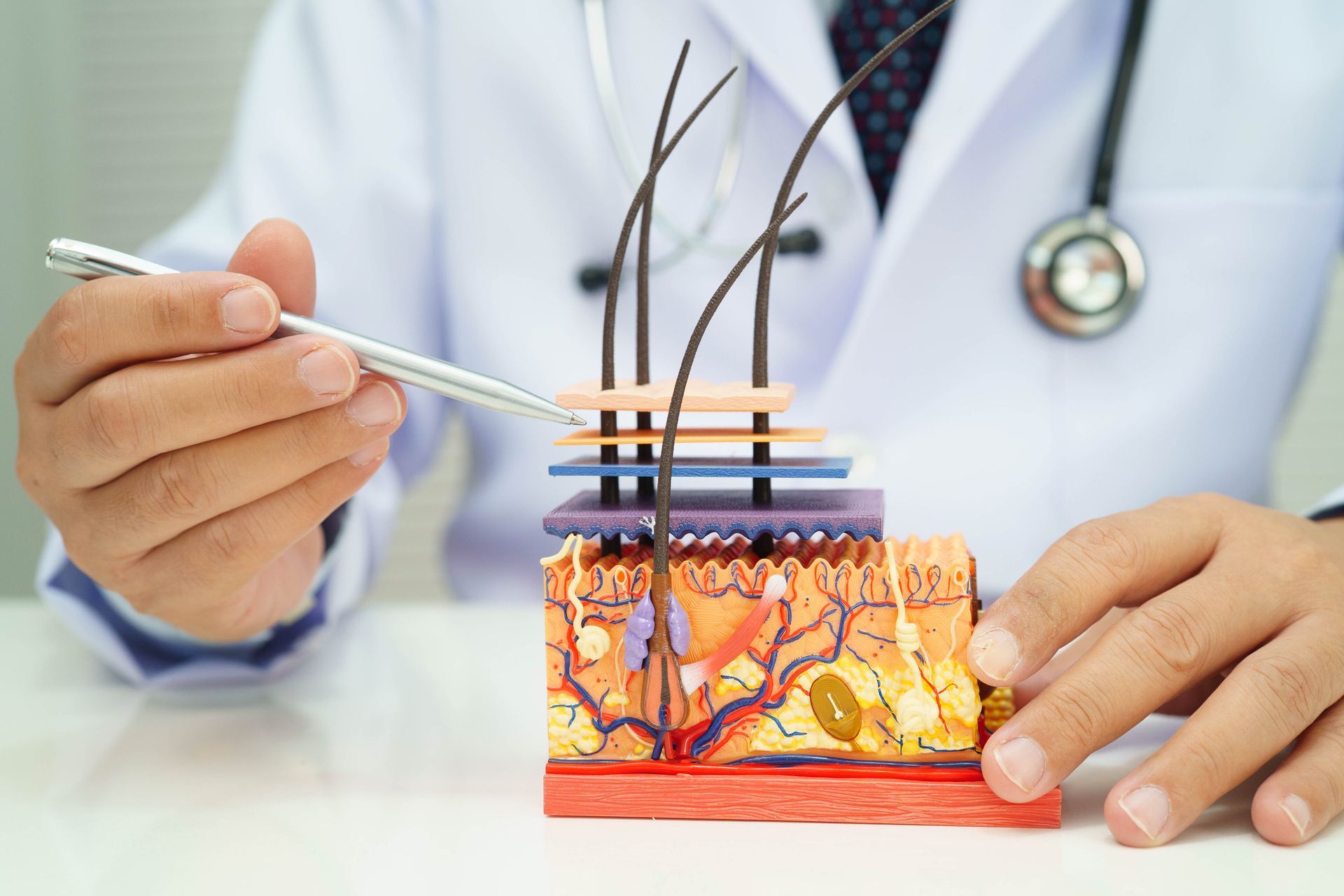
Female hair loss typically presents as diffuse thinning across the top of the scalp, a widening part, or reduced density rather than a receding hairline. Hormonal changes related to pregnancy, menopause, thyroid conditions, or polycystic ovary syndrome are frequent drivers. Genetics and stress can also contribute. Identifying the underlying cause is an important first step before exploring any hair replacement approach.
What Hair Replacement Options Are Available for Women?
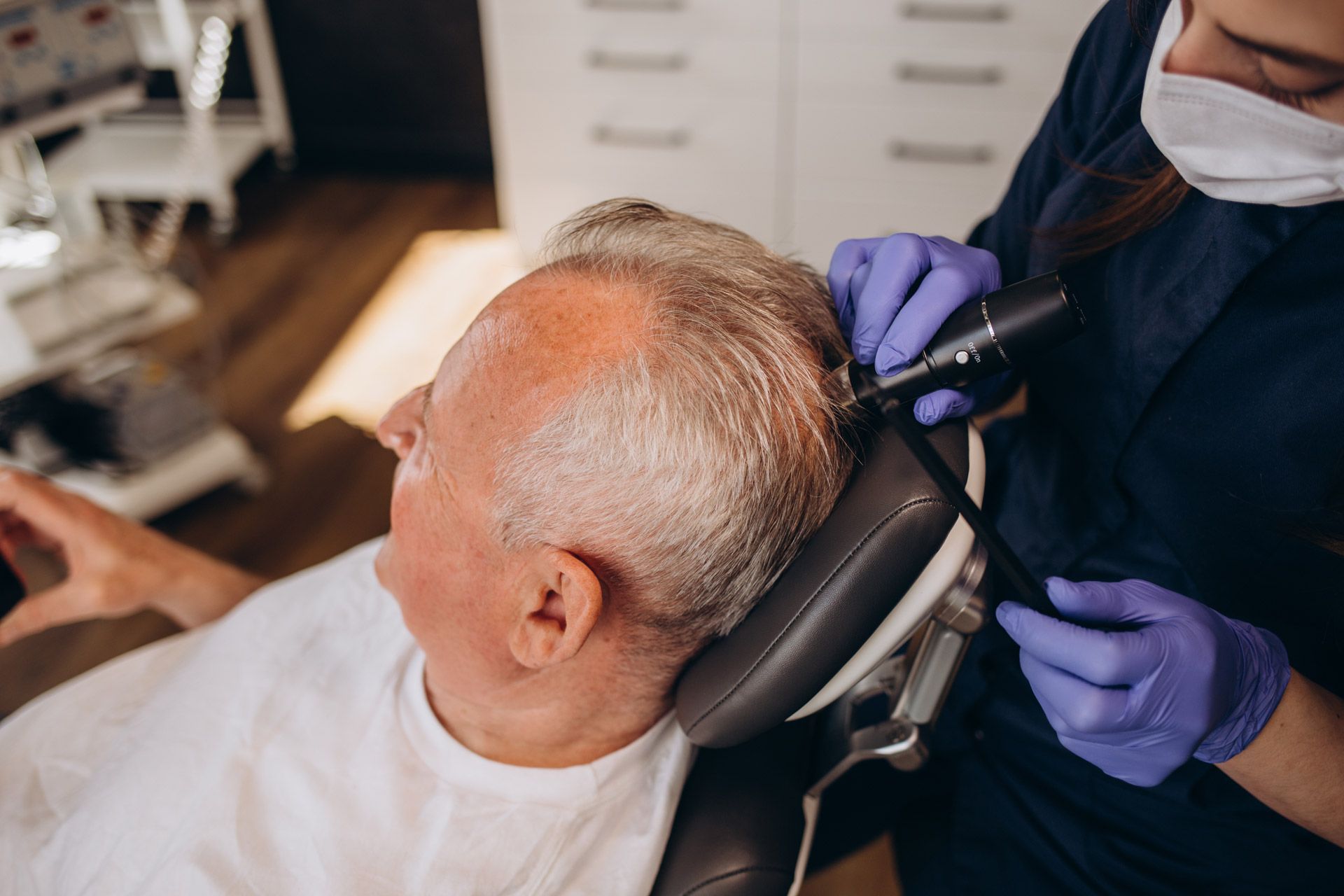
A physician-led evaluation can help determine which option fits your pattern, extent, and cause of thinning.
Non-Surgical Treatments
Non-surgical approaches work well for early to mid-stage hair loss. Options include topical minoxidil, oral medications, and low-level laser therapy. These aim to slow shedding and support regrowth of existing follicles, and are often recommended as a starting point or complement to other treatments.
Surgical Hair Restoration for Women
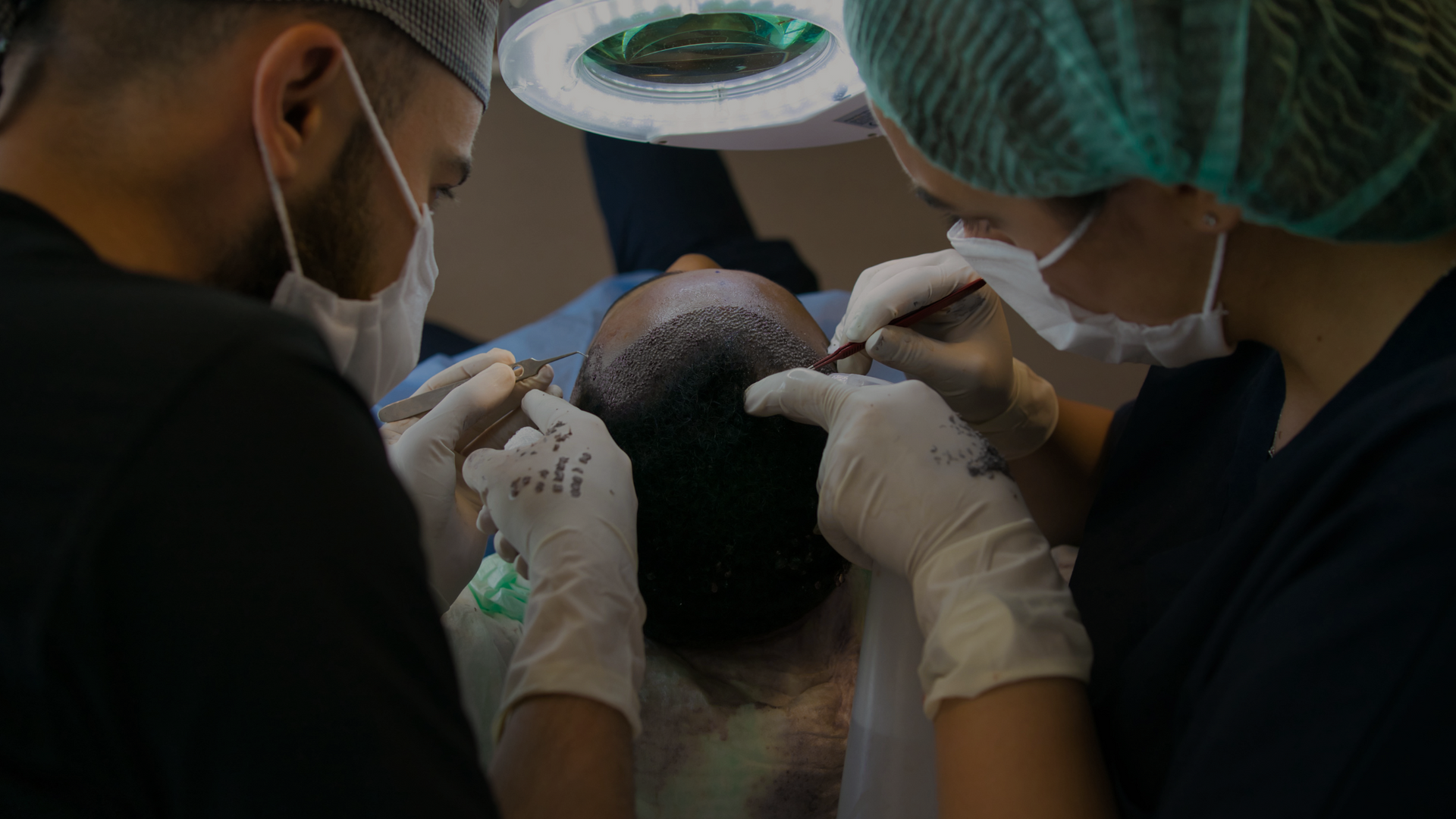
Women with localized hair loss may be candidates for follicular unit transplantation (FUT) or follicular unit extraction (FUE). Women with diffuse thinning across the entire scalp are generally not ideal surgical candidates, but those with defined areas of loss along the hairline or temples can often achieve natural-looking outcomes. Robotic FUE technology allows for precise, customized graft placement.
PRP as a Complementary Option
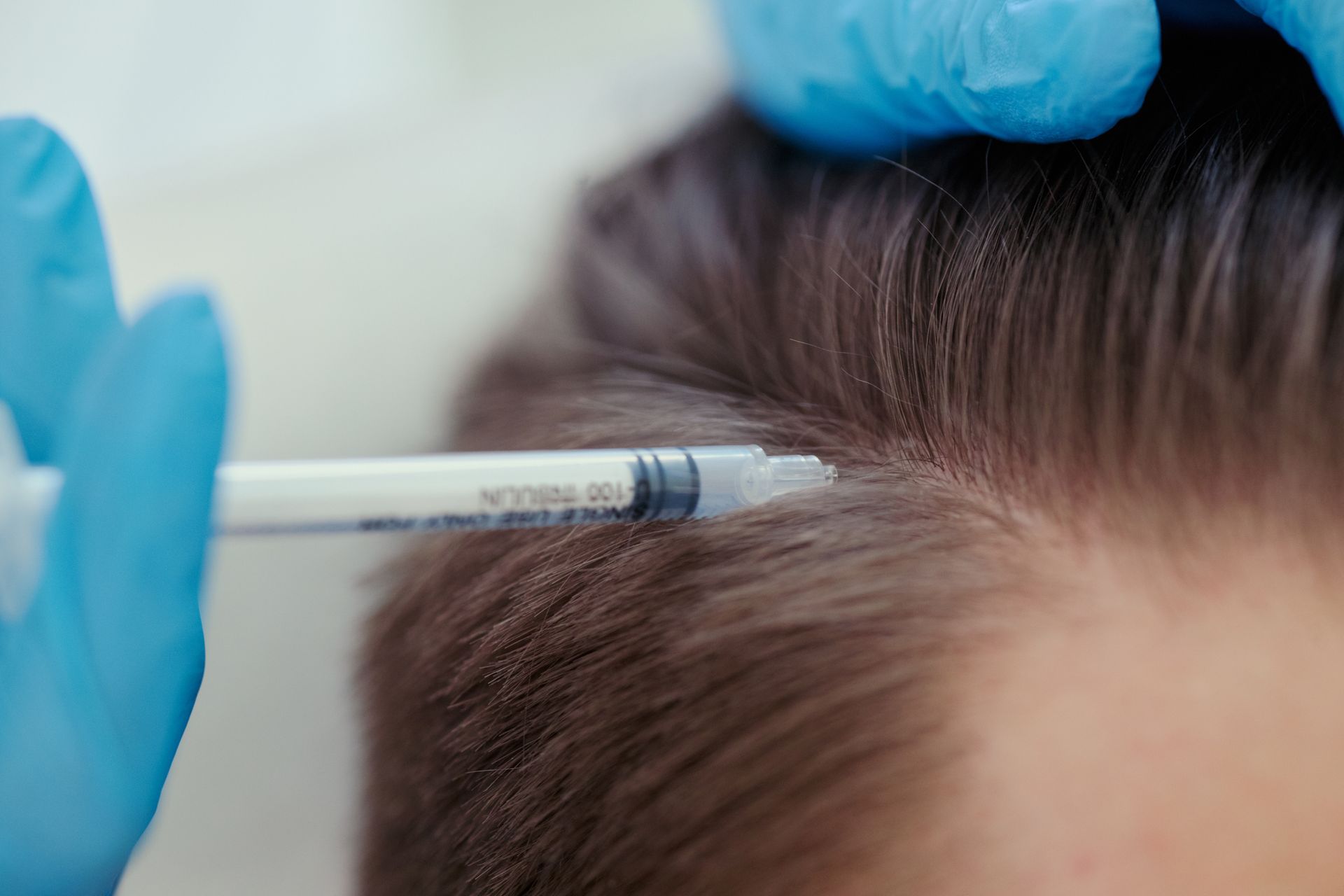
Platelet-rich plasma (PRP) therapy uses the patient's own blood to support follicle health. A small sample is processed to concentrate platelets, which are injected into thinning areas to improve scalp circulation and help keep follicles in an active growth phase. PRP can be combined with surgical procedures or used as a standalone treatment for non-surgical candidates.
What Troy, MI, Women Should Know Before Consulting
Troy sits in Oakland County, where patients have access to experienced hair restoration physicians serving the greater Oakland and Macomb County corridor. Before your consultation, document your hair loss timeline, note any recent hormonal changes, and bring a list of current medications.
Is Hair Transplant Surgery Detectable in Women?
Modern follicular unit techniques produce results that blend naturally with existing hair. When performed by an experienced specialist, transplanted hair grows in the same direction and density as surrounding hair, making it difficult to detect.
Is Hair Restoration Safe for Women?
Risks vary by individual health, extent of hair loss, and treatment chosen. A qualified physician will review candidacy and discuss potential side effects during a consultation.
What Is Recovery Like After a Hair Transplant?
Most women who undergo FUE experience minimal downtime. Mild scalp sensitivity and temporary shedding in the first few weeks are common. New growth typically begins within a few months, with fuller results visible over the following year.
Ready to Explore Your Options With a Trusted Team?
Women navigating hair loss deserve a compassionate, experienced team.
Drs. Berry, Luther & Aronovitz have served patients in the greater Detroit area since 1974, offering a full range of surgical and non-surgical hair restoration options.
Request a complimentary consultation to discuss your individual goals. Call
(586) 612-0757 to speak with the team today.