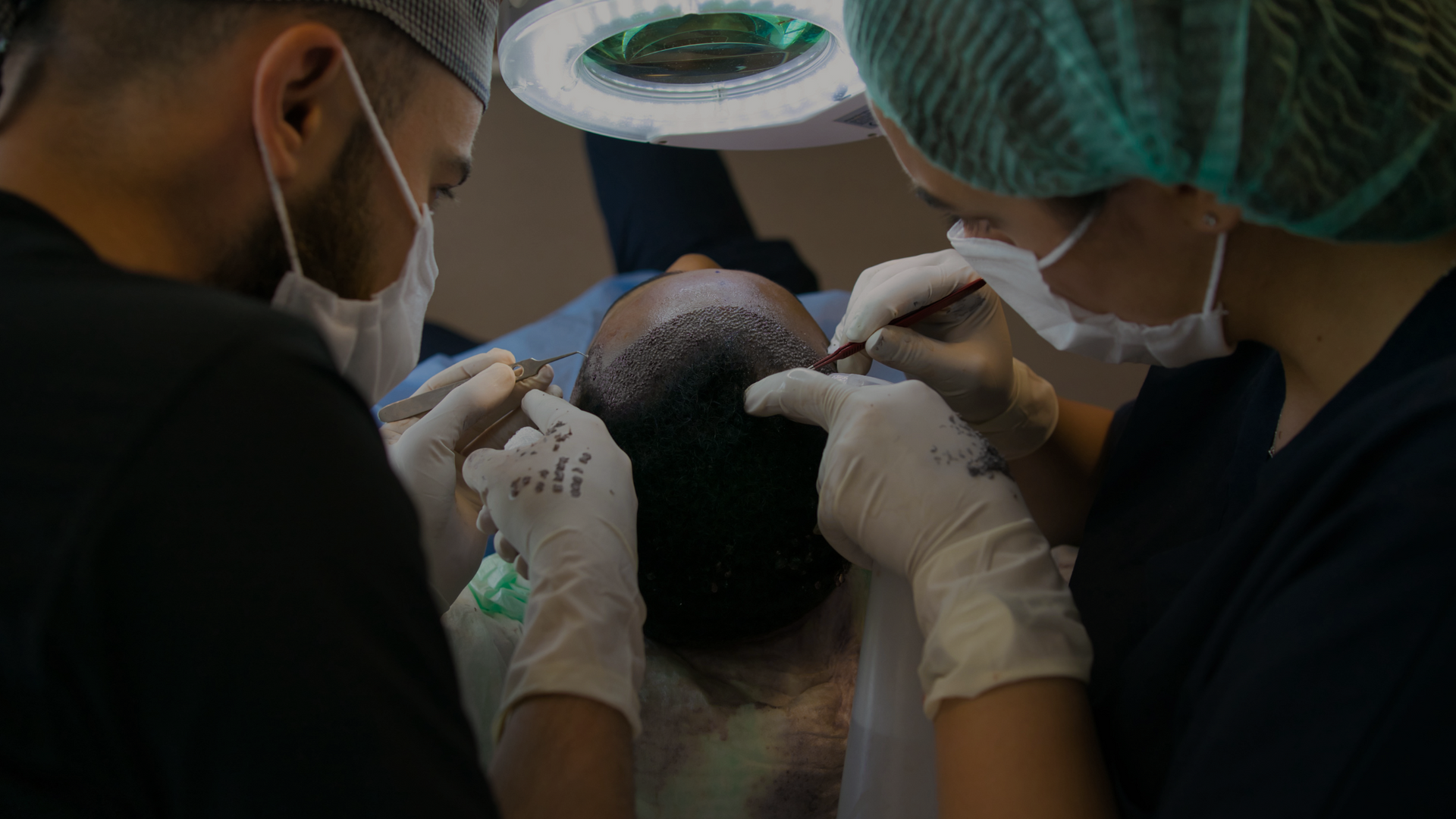

Hair Replacement | Troy, MI | Drs. Berry, Luther & Aronovitz
Many people dealing with hair loss in the Troy, MI, area want to know what Hair Replacement options are available before committing to surgery. This guide covers the most common non-surgical approaches, who tends to be a good fit for each, and how they compare to surgical routes.
What Does Non-Surgical Hair Replacement Actually Mean?
Non-surgical hair replacement covers treatments that do not involve cutting or transplanting follicles. Instead, they focus on slowing loss, stimulating existing follicles, or adding the appearance of fuller hair without an operating room.
This matters because not every person experiencing thinning is at the right stage for surgery. Hair loss is progressive, and catching it early with the right treatment can make a real difference in long-term outcomes.
Platelet-Rich Plasma (PRP) Therapy
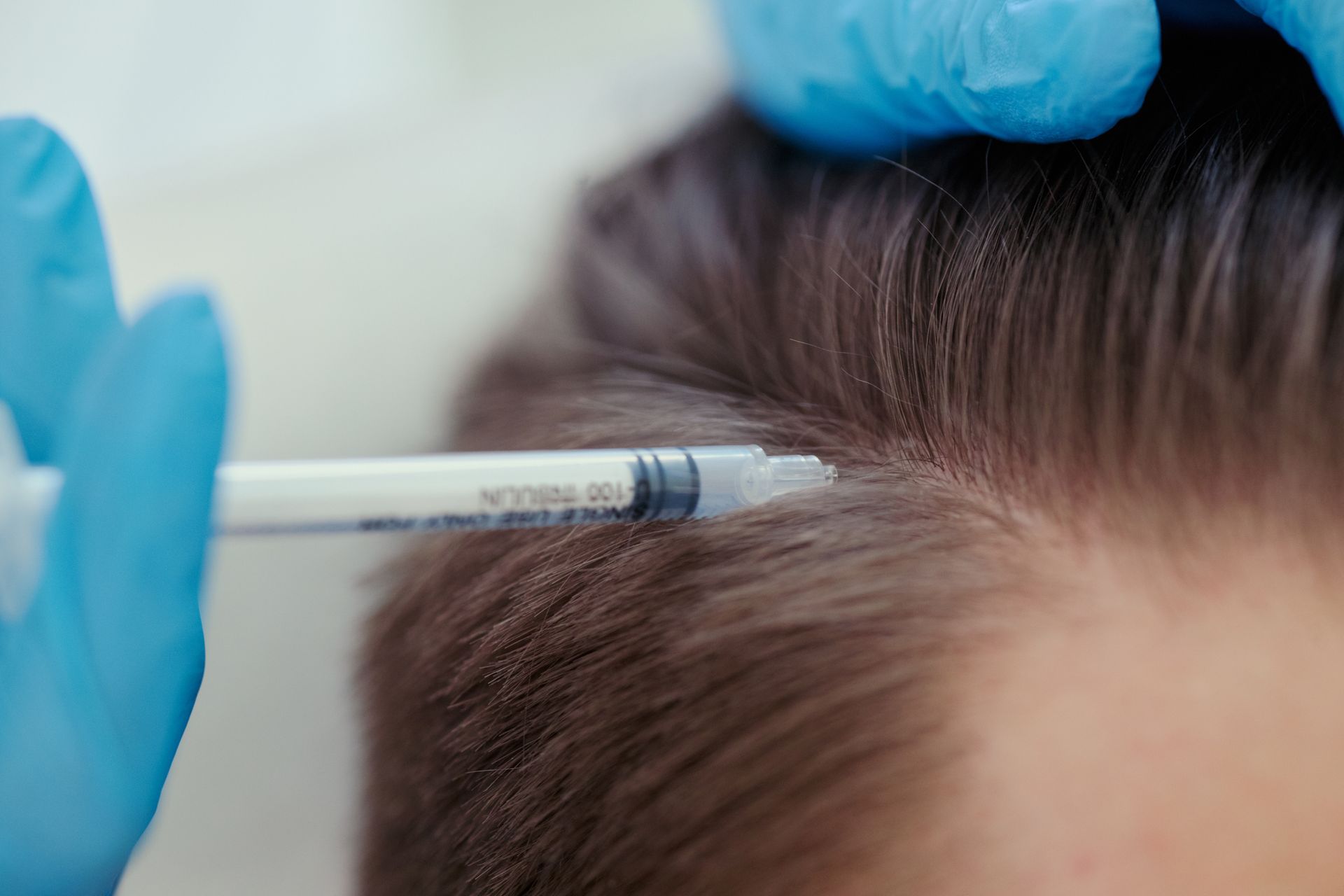
PRP uses your own blood, processed to concentrate platelets, which are then injected into areas of thinning. Those platelets contain growth factors that stimulate follicle activity and encourage thicker regrowth.
PRP works well for people who still have active, living follicles. It can be done alone or paired with FUE or FUT hair transplant surgery. Multiple sessions are typically needed, and improvements often become visible over several months. Sessions are short and require minimal downtime.
Alma TED (TransEpidermal Delivery)
Alma TED is a needle-free option that uses ultrasound energy and air pressure to deliver a growth serum directly into the scalp. For patients uncomfortable with needles, this is a meaningful advantage.
Alma TED suits early-to-moderate thinning. It targets scalp health, improves blood flow to follicles, and reduces inflammation that can contribute to loss. Most sessions take under 30 minutes with little to no recovery time. For more advanced thinning, PRP may be a better fit, or the two can be combined.
Topical and Oral Medications
Minoxidil, applied directly to the scalp, is one of the most widely used non-surgical Hair Replacement tools. It can slow shedding and, in some cases, support regrowth.
Propecia (finasteride) is a prescription oral medication commonly used for male pattern hair loss. It slows the hormonal process that shrinks follicles over time.
These medications work best when started early and used consistently. A medical consultation can help determine whether one or both are appropriate for your pattern of loss.
Hair Systems and Non-Surgical Prosthetics
Hair systems are custom-made hairpieces that attach to the scalp and closely match your natural color, texture, and density. Unlike older-style toupees, modern hair systems are designed to look and move naturally.
For people who are not candidates for surgery, or who want an immediate cosmetic solution while other treatments take effect, hair systems offer a practical option. Proper fit, maintenance, and regular adjustments are key to keeping them looking their best.
How Non-Surgical Options Compare to Surgery
Non-surgical options are generally best for people in earlier or moderate stages of hair loss, or for those who need to delay surgery. They do not relocate follicles or produce the permanent results that FUE or FUT surgery can achieve.
Surgery remains the longest-lasting solution for significant or advanced loss. Non-surgical treatments play an important role in protecting the hair you still have while you decide on a longer-term plan. A candidacy evaluation can clarify which path fits your situation.
Troy, MI, sits within Oakland County, where many working professionals prefer low-downtime treatments before committing to surgery. Non-surgical options fit naturally into a busy schedule.
What Non-Surgical Option Works Fastest?
Alma TED and PRP can both show early improvements within a few months, though results vary. Hair systems provide an immediate cosmetic change, while medications typically require six months or more of consistent use before results are fully visible.
Can Non-Surgical Treatments Be Combined?
Yes. PRP and Alma TED can be used together, and either can be paired with medications for added support. A specialist can build a layered plan based on your pattern and stage of loss.
Who Is a Good Candidate for Non-Surgical Hair Replacement?
People in early-to-moderate stages of hair loss often benefit most. Those with active follicles, good overall health, and realistic expectations tend to respond best. A consultation is the most reliable way to assess candidacy.
Does PRP Work for Women as Well as Men?
PRP can be effective for both men and women experiencing thinning. Female pattern hair loss often presents differently, and a thorough evaluation helps determine whether PRP is the right fit.
Is There Downtime After Non-Surgical Treatments?
Most involve little to no downtime. PRP may cause minor scalp sensitivity for a day or two. Alma TED typically has no recovery period. Medications and hair systems require no recovery whatsoever.
Schedule a Consultation Serving Troy, MI
If you are exploring Hair Replacement options in or near Troy, MI, Drs. Berry, Luther & Aronovitz offer complimentary consultations to help you understand what is right for your situation. Their team serves Troy, MI, and the greater Oakland County area from offices in Shelby Township and Canton.
Call
(586) 612-0757 or request a
consultation online to start building a personalized hair restoration plan. Whether you are interested in PRP, Alma TED, or medications, or you want to compare
non-surgical and surgical hair replacement paths, expert guidance is available close to home.