
Hair Replacement vs. Hair Transplant: What's the Difference and Which Is Right for You?

27 July 2026

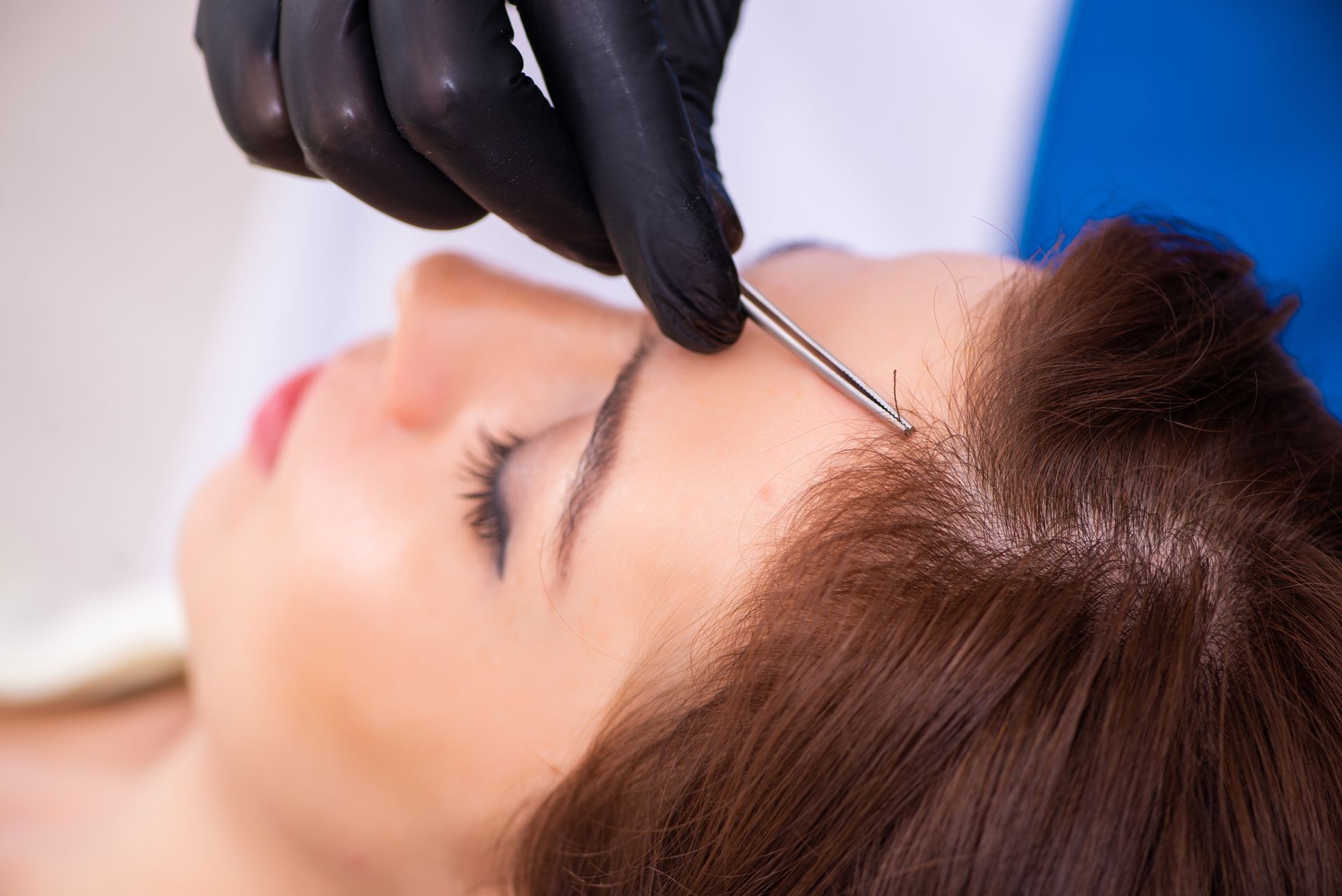
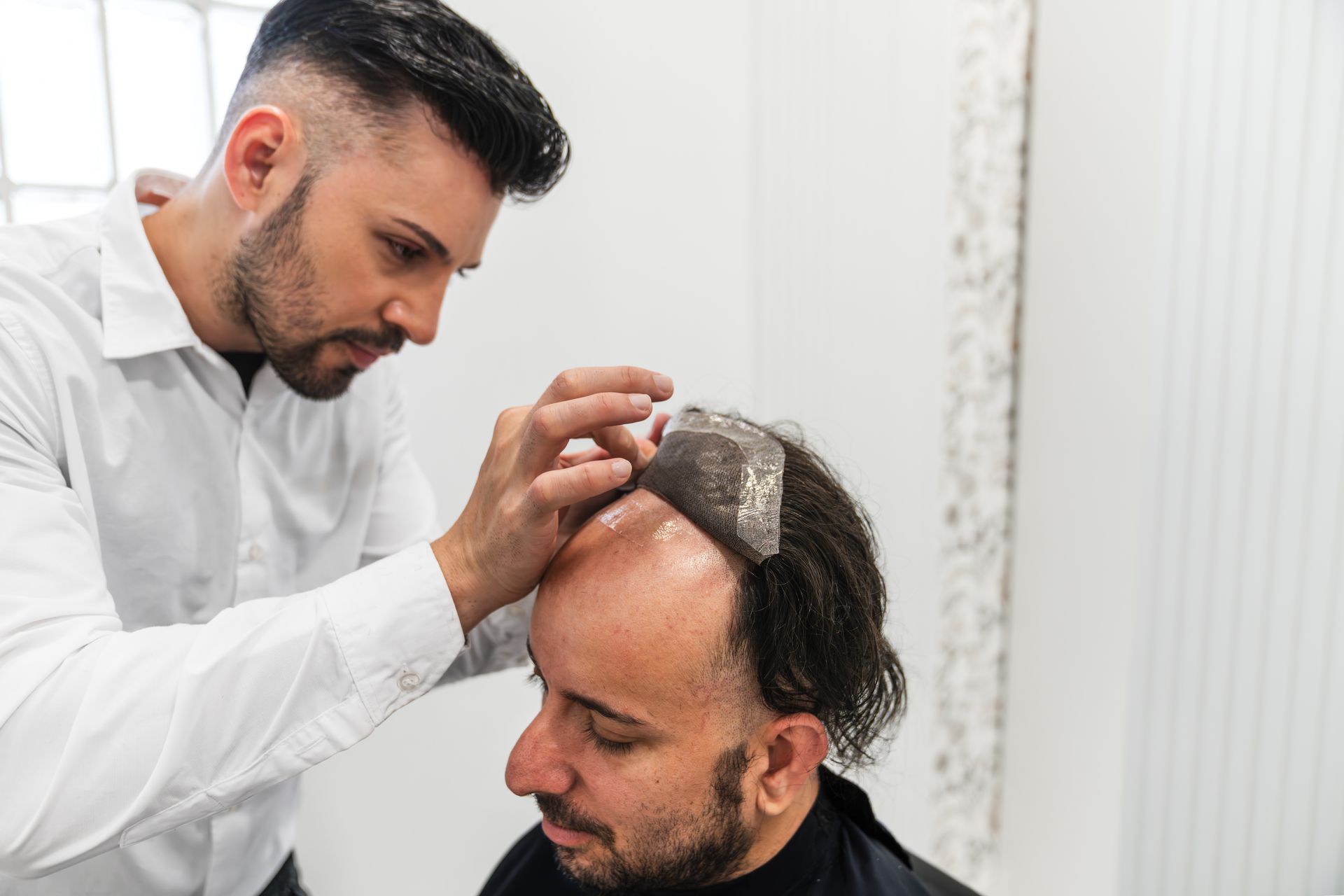
Hair replacement and hair transplant are two distinct approaches to treating hair loss. Understanding the difference can help you choose the right path forward.


What Is Hair Replacement?

Hair replacement is a broad term describing any method used to restore a fuller appearance of hair. It often refers to surgical procedures such as Follicular Unit Transplantation (FUT) or Follicular Unit Extraction (FUE), though some clinics include non-surgical solutions as well.


At our Shelby Township practice serving Troy, MI, hair replacement services include both surgical transplant techniques and supportive treatments such as platelet-rich plasma (PRP) therapy.


How Does a Hair Transplant Differ?

A hair transplant is a specific surgical procedure that moves your own hair follicles from one area of the scalp to another. It is permanent and produces natural results because real hair is used.


Two main techniques are available:

  • FUT (Follicular Unit Transplantation): A thin strip of scalp is taken from the donor area, divided into follicular units, and placed in thinning zones. Megasessions can transplant between 2,000 and 3,500 follicular units in a single session.
  • FUE (Follicular Unit Extraction): Individual follicles are extracted one by one. Using ARTAS robotic technology, this approach leaves no linear scar and typically offers faster recovery.

Candidacy, Cost, and Permanence

The right option depends on your degree of hair loss, donor area density, overall health, and personal goals.


Key factors to weigh:

  • Permanence: Transplanted follicles are genetically programmed to grow for a lifetime.
  • Candidacy: Good candidates are in good health with an adequate donor area. Women with diffuse thinning may face different considerations than those with localized loss.
  • Cost: Surgical procedures involve a higher upfront investment than non-surgical options such as PRP or medication.
  • Recovery: FUE with robotic assistance typically involves shorter downtime than FUT. Most patients with non-strenuous jobs return to work quickly.


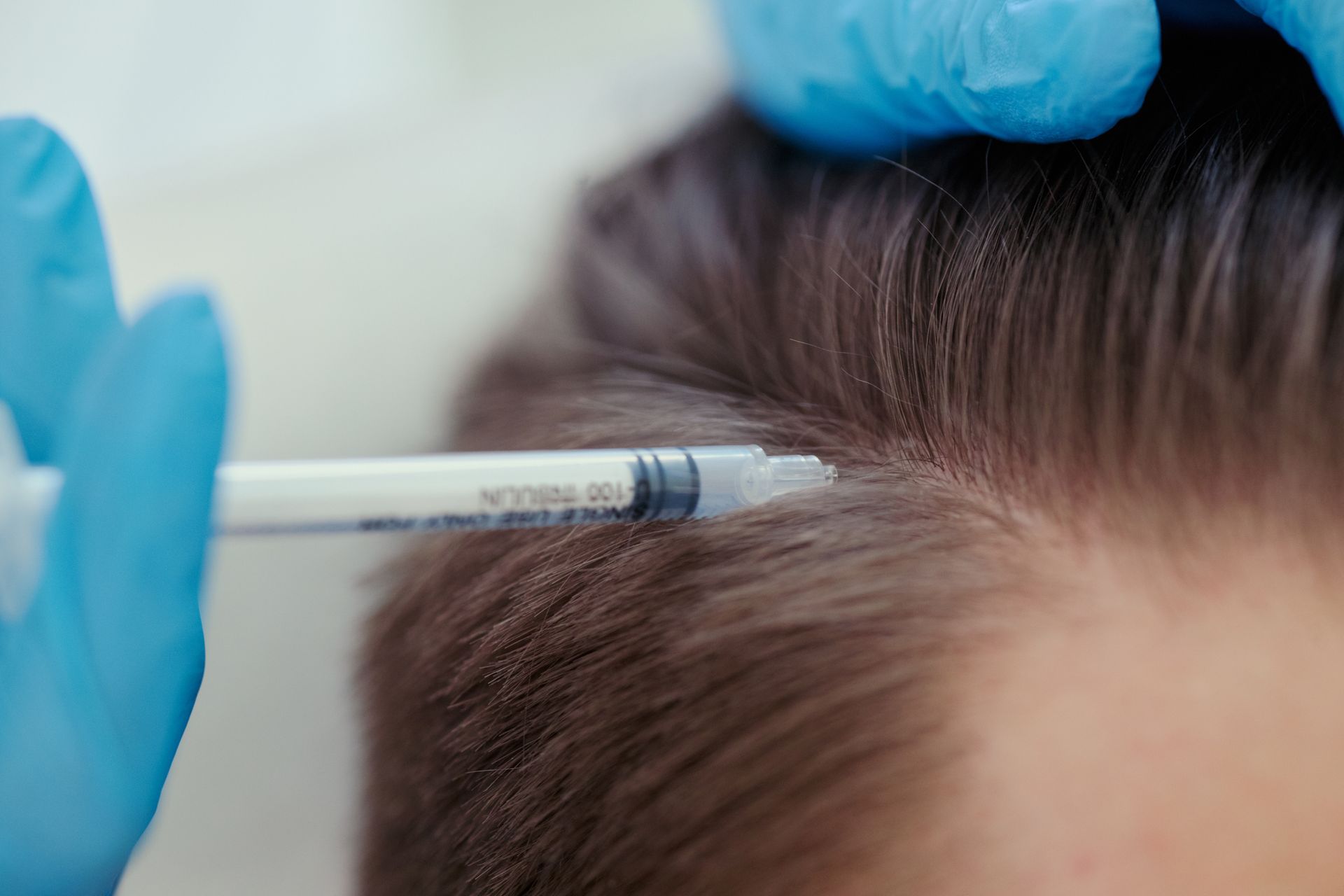
PRP therapy can support existing hair growth and be combined with either surgical technique.


Frequently Asked Questions

  • Is a Hair Transplant the Same as Hair Replacement?

    Not always. "Hair replacement" can refer to any method used to address hair loss, while "hair transplant" specifically means a surgical procedure that moves follicles from one area to another.

  • How Permanent Is a Surgical Hair Transplant?

    Transplanted follicles are taken from areas genetically resistant to hair loss, so results may last a lifetime. Natural hair loss elsewhere on the scalp may continue, however.

  • Who Is a Good Candidate for Hair Transplant Surgery?

    Candidates are generally in good health with a sufficient donor area. A physician evaluation can confirm whether surgery suits your specific pattern and degree of hair loss.

  • How Long Does Recovery Take?

    FUE patients can often return to non-strenuous work the next day. FUT may require slightly more downtime.

  • Are Non-Surgical Options Like PRP Worth Considering?

    PRP may encourage thicker growth in thinning areas. It works as a complement to surgery or as a standalone option for patients not yet ready for a procedure.

Ready to Find Out Which Option Fits Your Goals?

At our Shelby Township practice serving Troy, MI, Drs. Berry, Luther & Aronovitz have helped patients restore their hair since 1974. We offer free, no-obligation evaluations so you can get objective information before making any decisions. Call (586) 612-0757 to schedule your complimentary consultation, or contact us online to get started. You can also learn more about hair restoration services for Troy, MI, patients.
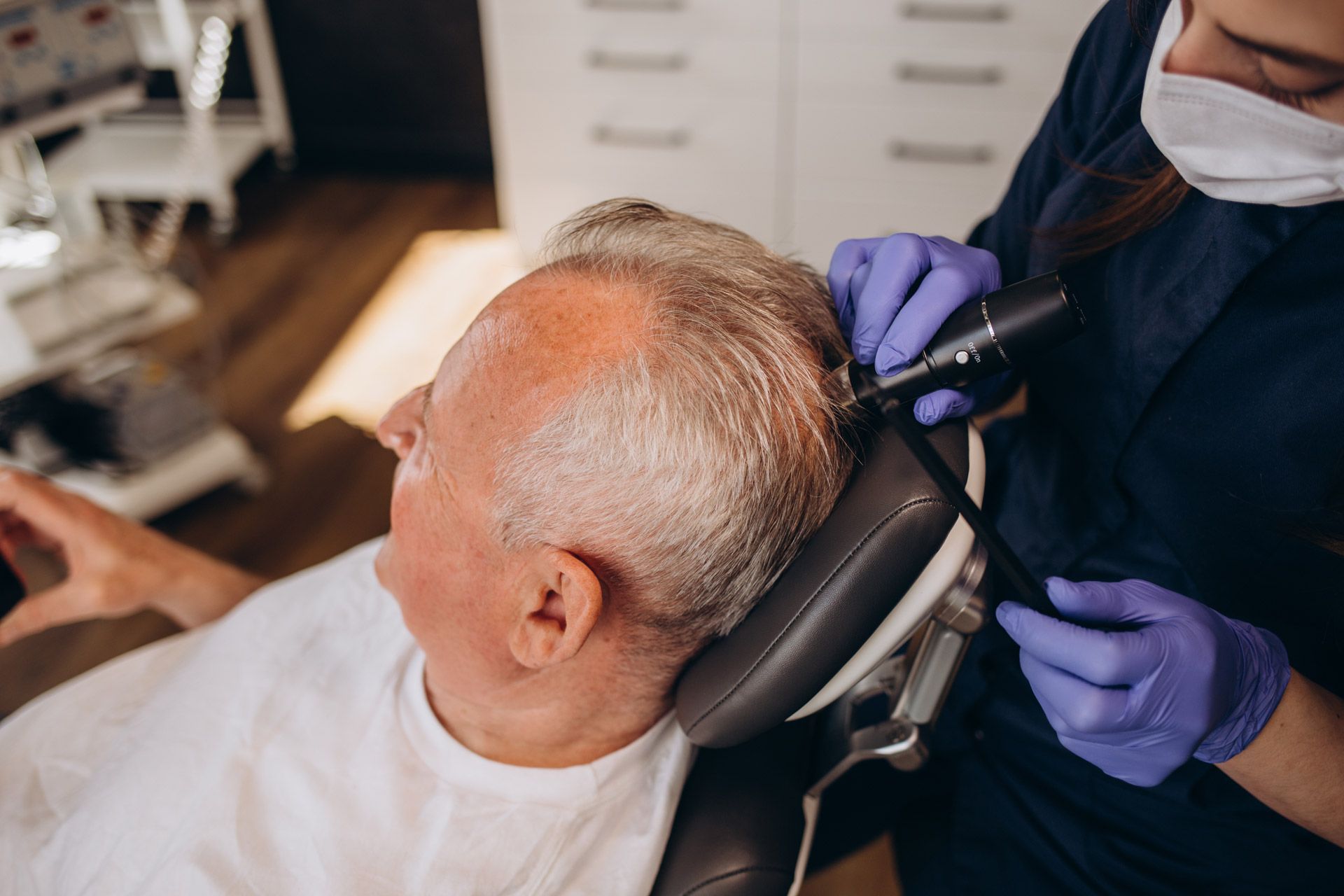
A man is being examined by a specialist for a hair restoration procedure.
28 May 2026
Considering hair restoration in Troy, MI? Learn the step-by-step process from consultation to results. Call Drs. Berry, Luther & Aronovitz at (586) 612-0757.
A man looking at the mirror at Drs. Berry, Luther & Aronovitz for hair restoration in Troy, MI
17 January 2025
Explore expert hair restoration in Troy, MI, with Drs. Berry, Luther & Aronovitz, and achieve thicker, fuller hair. Click here to know more about the process.
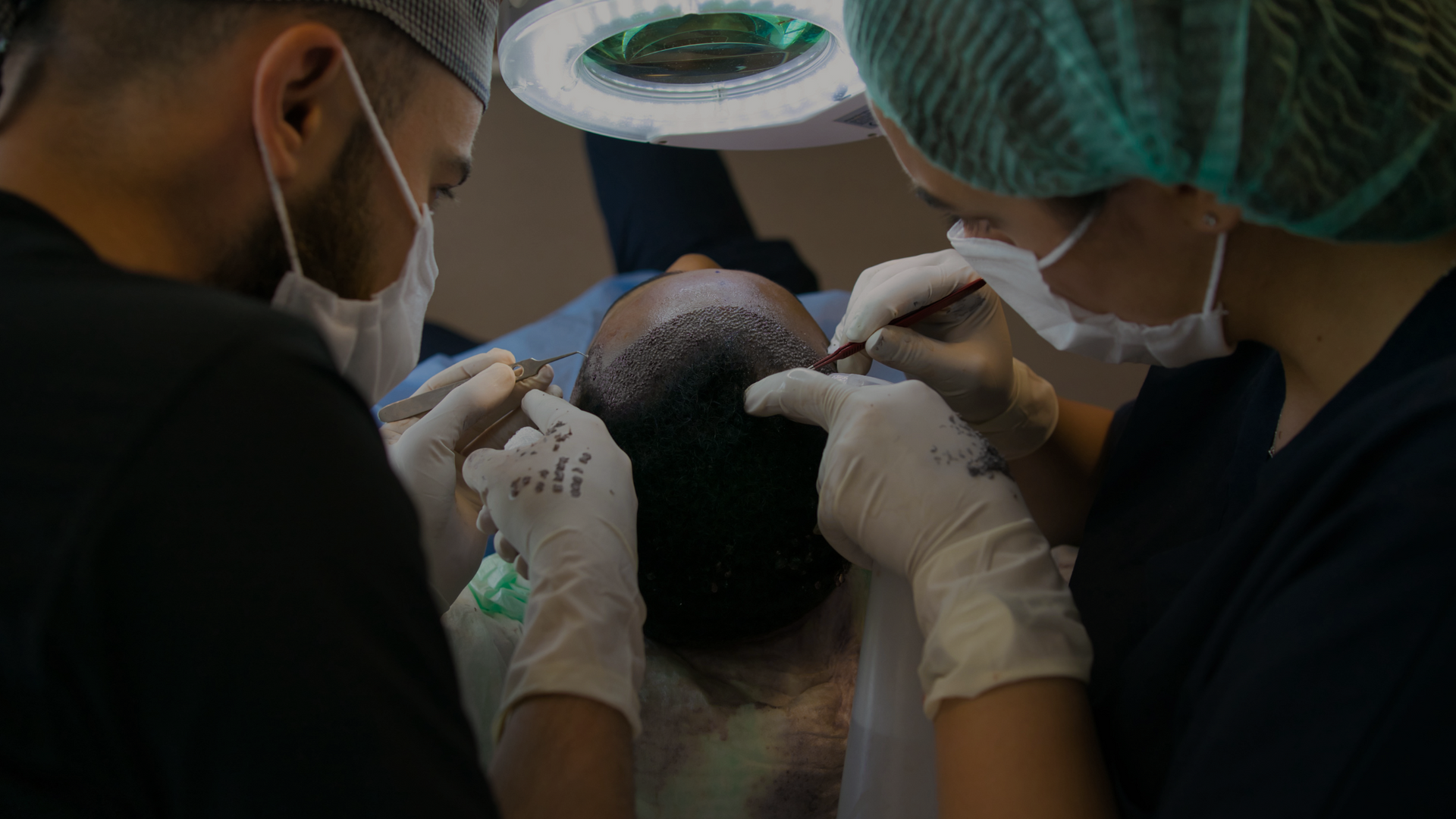
Two medical professionals performing hair transplant surgery on a patient, under bright lights.
24 September 2024
The Ultimate Guide to Hair Transplant Surgery Welcome to our ultimate guide to hair transplant surgery. As doctors who have seen the transformative power of hair restoration, we're excited to share everything you need to know about this life-changing procedure. Whether you're just starting to notice thinning hair or you've been struggling with hair loss for years, this guide is designed to help you make an informed decision about your hair restoration options. Understanding Hair Loss Hair loss is a common issue that affects millions of men and women around the world. It can be caused by a variety of factors, including genetics, hormonal changes, medical conditions, and lifestyle choices. Understanding the cause of your hair loss is the first step toward finding the right treatment. Hair transplant surgery is a minimally invasive procedure that involves moving hair follicles from one part of the body (usually the back or sides of the scalp) to the thinning or balding areas. This helps restore a fuller, more natural-looking hairline. What is Hair Transplant Surgery? Hair transplant surgery is a minimally invasive procedure that involves moving hair follicles from one part of the body (usually the back or sides of the scalp) to the thinning or balding areas. This helps restore a fuller, more natural-looking hairline. Types of Hair Transplants There are two main types of hair transplant procedures: Follicular Unit Transplantation (FUT): In this method, a strip of tissue is removed from the donor area and sutured. The tissue is dissected into the individual follicular units and transplanted to the balding area. Follicular Unit Extraction (FUE): This technique involves extracting individual hair follicles directly from the donor area and implanting them into the recipient area. This can be done with a manual machine or the ARTAS robotic system. The Hair Transplant Procedure Here’s a brief overview of what you can expect during a hair transplant procedure: Consultation: Your journey begins with a detailed consultation to assess your hair loss and determine the best treatment plan. We'll discuss your medical history, hair restoration goals, and the most suitable technique for you. Preparation: On the day of the surgery, the donor and recipient areas will be cleaned and numbed with local anesthesia. Extraction and Transplantation: Hair follicles are carefully extracted from the donor area and prepared for transplantation. The follicle units are then implanted into the balding or thinning areas of the scalp. Recovery: After the procedure, you’ll receive detailed aftercare instructions to ensure optimal healing and hair growth. Most patients experience minimal discomfort and can return to their normal activities within a few days. Benefits of Hair Transplant Surgery Choosing hair transplant surgery offers several significant benefits: Permanent Results: Hair transplants provide a long-term solution to hair loss, using your own hair to restore natural growth. Natural Appearance: Advanced techniques ensure that transplanted hair blends seamlessly with your existing hair. Boosted Confidence: Restoring your hair can significantly improve your self-esteem and overall quality of life. Minimally Invasive: Modern hair transplant methods, especially FUE, are minimally invasive and require little downtime. Is Hair Transplant Surgery Right for You? Hair transplant surgery is a suitable option for many people experiencing hair loss, but it may not be right for everyone. Consider these points: Extent of Hair Loss: Ideal candidates have sufficient donor hair and a clear pattern of hair loss. Expectations: Realistic expectations are crucial. While hair transplants can significantly improve your appearance, they might not restore your hair to its original density. Steps to Take If You’re Considering a Hair Transplant If you’re thinking about getting a hair transplant follow these steps to ensure the best possible outcome: Do Your research: Learn about different hair transplant techniques and their benefits. Consult with a specialist: Schedule a consultation with an experienced hair transplant surgeon to discuss your options. Prepare for the procedure: Follow all preoperative instructions provided by your doctor to ensure a smooth surgery and recovery. Conclusion Hair transplant surgery can be a transformative experience, offering a permanent solution to hair loss and helping you regain your confidence. At Drs. Berry, Luther & Aronovitz, we’re committed to providing personalized care and exceptional results. If you’re ready to take the next step, schedule a consultation with us today to explore how we can help you achieve the look you’ve always wanted.